
Back to Top

Blog

Common Signs You May Have a Cavity

Shocked-img

Cavities are one of the most common dental problems people experience. They occur when bacteria in the mouth produce acids that gradually wear down tooth enamel. If left untreated, cavities can grow larger and lead to more serious dental issues such as infection or tooth loss.

The good news is that cavities are highly treatable when caught early. Knowing the warning signs can help you seek care before the problem worsens.

What Is a Cavity & What Causes them?

A cavity is a small hole that forms in the tooth due to tooth decay. This happens when plaque builds up on the teeth and produces acids that break down enamel over time.

Common causes include:

  • Frequent consumption of sugary foods and drinks
  • Poor brushing and flossing habits
  • Dry mouth or reduced saliva production
  • Mouth breathing at night
  • Plaque buildup on teeth
  • Pore systemic health
  • Underlying disease (HIV/AIDS, diabetes, insulin resistance, heart disease, history of stroke, sjogren syndrome, sarcoidosis, & more)
  • Hypomineralization
  • Environmental factors (poor diet, contaminated water supply, environmental toxins, lack of healthcare)

When decay reaches deeper layers of the tooth, symptoms often become more noticeable.

Common Signs You May Have a Cavity

Coke-img

Tooth Sensitivity

  • Sensitivity to hot, cold, or sweet foods
  • Discomfort when drinking cold beverages
  • Lingering sensitivity after eating

This is often one of the earliest signs of enamel damage.

Tooth Pain or Ache

  • Persistent toothache
  • Pain when biting or chewing
  • Sharp pain when eating certain foods

Pain may indicate that the decay has reached deeper layers of the tooth.

Tooth-Ache

Visible Holes or Dark Spots

  • Small pits or holes in the tooth
  • Brown, black, or white spots on enamel

These changes can be signs that decay is progressing.

Bad Breath or Unpleasant Taste

  • Ongoing bad breath
  • A bad taste that doesn’t go away

Bacteria that cause cavities can also contribute to unpleasant mouth odors.

Bad-Breath

Pain When Eating Sweet Foods and Temperature Sensitivity

  • Sudden discomfort when eating candy or sugary foods
  • Sharp sensitivity to sweets
  • Sensitivity to cold or hot foods

Sugar can trigger pain when enamel has already begun to weaken.

What Happens If a Cavity Is Not Treated?

Ignoring a cavity can lead to more serious dental problems, including:

  • Larger areas of decay
  • Tooth infections
  • Severe tooth pain
  • Root canal treatment
  • Tooth loss

Early treatment helps prevent these complications.

How Dentists Treat Cavities

Treatment depends on the extent of the cavity. Options may include:

  • Dental fillings
  • Fluoride treatments (for early decay)
  • Dental crowns
  • Root canal therapy for severe cases

Regular dental exams help detect cavities before they become more serious.

How to Prevent Cavities

You can lower your risk of cavities by following good oral hygiene habits:

  • Brush twice daily with fluoride toothpaste
  • Floss every day
  • Limit sugary snacks and drinks
  • Drink water throughout the day
  • Visit your dentist for regular checkups and cleanings

Prevention is the best way to protect your teeth long-term.

Open-Smile

Cavities are common but they are also preventable and treatable when caught early. If you notice tooth sensitivity, pain, or changes in your teeth, it’s important to schedule a dental exam as soon as you can. Addressing small issues early can help keep your smile healthy and strong for years to come.

Signs You Might Need a Root Canal

blog10img1

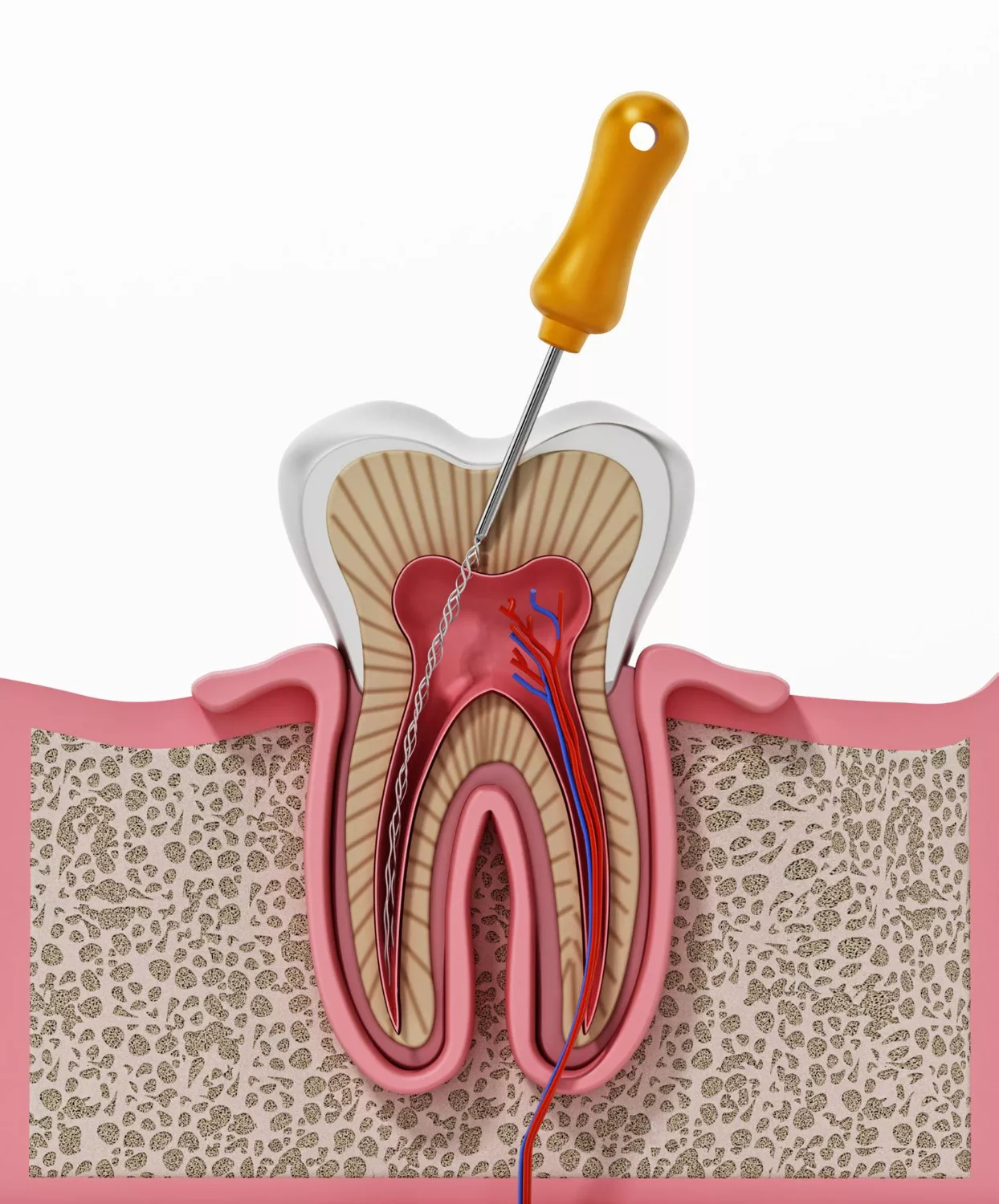
Tooth pain is not something to ignore. If you are experiencing severe tooth sensitivity, swelling, or pain when chewing, you may need a root canal. Root canal treatment is designed to remove infection inside the tooth and relieve dental nerve pain before it spreads.

Recognizing the early signs of a tooth infection can help save your natural tooth and prevent serious complications.

What Is a Root Canal?

A root canal is a dental procedure used to treat an infected or inflamed tooth pulp. The pulp is the soft tissue inside your tooth that contains nerves and blood vessels.

Common causes of needing a root canal include:

  • Deep tooth decay
  • Cracked or chipped teeth
  • Untreated cavities
  • Trauma to the tooth
  • Repeated dental work on the same tooth

When bacteria reach the pulp, it can cause infection, swelling, and severe tooth pain.

blog10img2

Common Root Canal Symptoms

“How do I know if I need a root canal?” look for these warning signs:

blog10img3

Persistent Tooth Pain

  • Constant or throbbing pain
  • Pain that worsens when chewing
  • Tooth pain that spreads to the jaw or ear

Ongoing dental pain is one of the most common signs of a tooth infection.

Lingering Sensitivity to Hot or Cold

  • Sensitivity that lasts more than 30 seconds
  • Sharp pain from hot coffee or cold drinks
  • Discomfort that does not fade quickly

This often indicates nerve damage inside the tooth.

Swollen or Tender Gums

  • Swelling near a painful tooth
  • Red or inflamed gum tissue
  • Tenderness when touching the area

Gum swelling may signal infection beneath the surface.

Darkened or Discolored Tooth

  • A tooth turning gray or darker than surrounding teeth

This can occur when the nerve inside the tooth begins to die.

A Pimple or Abscess on the Gum

  • Small bump near the tooth
  • Pus drainage
  • Bad taste in the mouth

This is a sign of a dental abscess and requires immediate attention.

What Happens If You Don’t Get a Root Canal?

Delaying treatment can lead to:

  • Spread of infection to nearby teeth
  • Bone loss around the root
  • Severe facial swelling
  • Increased pain
  • Tooth extraction

An untreated tooth infection will not go away on its own.

What to Expect During Root Canal Treatment

During treatment:

  • The area is completely numbed
  • The infected pulp is removed
  • The inner canals are cleaned and disinfected
  • The tooth is sealed
  • A dental crown may be placed for strength and protection

Most patients experience relief shortly after the procedure.

When Is a Root Canal an Emergency?

  • Severe swelling of the face or jaw
  • Fever
  • Difficulty swallowing
  • Intense, unrelenting tooth pain

These symptoms may indicate that the infection is spreading.

What to Remember

If you are experiencing tooth sensitivity, severe dental pain, or signs of infection, don’t wait. Early root canal treatment can eliminate infection, relieve pain, and prevent tooth loss. Prompt care protects your oral health and prevents more complex dental problems in the future.

Frequently Asked Questions

Is a root canal painful?

Modern root canal therapy is no more uncomfortable than getting a filling. The procedure is designed to relieve pain caused by infection.

How long does a root canal take?

Most root canal treatments take 60 to 90 minutes, depending on the tooth and severity of infection.

Can a root canal save my tooth?

Yes.

Root canal therapy removes infection while preserving your natural tooth structure.

How do I know if my tooth is infected?

Common signs include persistent pain, swelling, sensitivity, and discoloration.

Why Nutrition Is Important in Dentistry

applesmile

As much as we would all love to believe that brushing our teeth counteracts all of the sugary processed foods that the western american diet is heavily laden with, the fact is, it doesn’t stop there. Our diet directly impacts your teeth, gums, and overall oral health. In fact, your entire system is an interwoven interconnected incredible creation that allows each cell to directly or indirectly impact each other. Because of this deep and vast connection, your daily food choices play a powerful role in oral health.

A nutrient-rich diet strengthens enamel, balances oral bacteria, supports immune defenses, and keeps teeth and gum tissue resilient. In contrast, diets high in sugar, artificial foods, and processed foods fuel harmful bacteria that produce acids that erode enamel and inflame gums. Understanding how nutrition affects your oral ecosystem helps you protect your smile, for life.

Nutrients That Strengthen Teeth and Enamel

Healthy enamel protects your teeth from decay, erosion, discoloration, infection, and sensitivity. These key nutrients help build and maintain strong tooth structure:

  • Calcium – Essential for enamel strength and jawbone support; found in milk, cheese, yogurt, fortified plant milks, and almonds.
  • Vitamin D – Improves calcium absorption and supports bone density; from sunlight, eggs, salmon, sardines, and fortified foods.
  • Phosphorus – Works with calcium to form strong enamel; in meat, fish, eggs, dairy, nuts, and seeds.
  • Vitamin K2 – Helps direct calcium into teeth and bone rather than soft tissues; found in natto, hard cheeses, egg yolks, and grass-fed dairy.
  • Magnesium – Supports enamel mineralization and balances calcium; sources include leafy greens, nuts and seeds, whole grains, and avocados.
  • Probiotics (oral–gut connection) – Beneficial bacteria that help balance the oral microbiome and reduce harmful bacteria that cause decay.

Foods that promote enamel strength: crunchy, nutrient-dense foods like cheese, yogurt, chia seeds, leafy greens, and raw vegetables are shown to benefit overall oral health through nh nutrient delivery and saliva stimulation. These minerals also rebuild and maintain enamel, lowering cavity risk.

Nutrition for Healthy Gums

Gum tissue depends on antioxidants, vitamins, and anti-inflammatory compounds to remain strong and fight infection:

  • Vitamin A – Supports healthy mucous membranes and saliva production; sources: carrots, sweet potatoes, spinach, and liver.
  • Vitamin C – Critical for collagen production and gum integrity; found in oranges, strawberries, bell peppers, kiwi, and broccoli.
  • Antioxidants & phytonutrients – Help reduce inflammation and promote tissue healing; abundant in berries, green tea, and colorful vegetables.
  • B Vitamins (especially B9/folate & B12) – Aid in gum tissue repair and reduce inflammation; in leafy greens, legumes, eggs, dairy, and fortified grains.
  • Zinc – Supports immune responses and helps fight bacterial buildup; from meat, shellfish, pumpkin seeds, and legumes.

Poor nutrition weakens gum tissue, increases inflammation, and raises the risk of periodontal disease.

Foods That Naturally Protect Teeth

Some foods help maintain oral health by mechanically cleaning teeth and promoting saliva flow — your mouth’s natural defense against acid and bacteria:

  • Celery and carrots – Their crunchy texture stimulates saliva and helps scrub surfaces.
  • Apples and pears – Fiber and crunch help reduce plaque and boost saliva.
  • Nuts and seeds – Provide minerals like calcium, phosphorus, and magnesium.
  • Leafy greens – Rich in vitamins and minerals with anti-inflammatory benefits.
  • Cheese and yogurt – Increase saliva and provide calcium and phosphorus.

The more saliva, the merrier! Remember, saliva washes away food particles, neutralizes acids, and keeps bacterial growth in check. A healthy oral microbiome is a beautiful way to keep your overall systemic health in check also.

Foods That Increase Cavities

To protect enamel and gum health, limit or avoid foods and drinks that promote decay:

  • Sugary candies and sweets
  • Crunching on ice or frozen novelties/ desserts
  • Sticky desserts that can cling to teeth
  • Soda and acidic beverages (including sugary acidic coffee)
  • Processed snacks like chips and crackers
  • Foods that have little to no nutritional value (packaged snack foods)

Sugar and fermentable carbs feed bacteria, leading to acid production that erodes enamel and causes cavities.

How Nutrition Helps Prevent Cavities

Eating nutrient-dense foods helps you:

  • Reduce acid attacks on teeth
  • Strengthen enamel naturally
  • Support gum resistance to infection
  • Lower plaque buildup through better saliva composition

Combining sound nutrition with good oral hygiene forms a powerful foundation for lasting dental health.

Simple Nutrition Tips for Better Oral Health

  • Drink plenty of water throughout the day to rinse bacteria and food debris
  • Choose whole foods over processed snacks
  • Include calcium, phosphorus, and vitamin D rich foods daily
  • Add plenty of fruits and vegetables to every meal
  • Limit sugar intake between meals and acidic drinks

A healthy smile doesn’t start with brushing alone — it begins with wise nutrition choices that nourish both teeth and gums from the inside out. It starts by recognizing that the foods you eat daily directly affect tooth strength, gum health, and your risk for dental problems now, and systemic health problems later. A healthy smile doesn’t start with brushing alone; it begins with wise nutrition choices.

How Young Is Too Young for the Dentist?

Pic1

When Should a Child First See the Dentist?

Many parents wonder when the right time is to bring their child to the dentist. The truth is, there is no such thing as “too young” when it comes to dental care. In fact, early visits play a significant role in keeping children’s teeth healthy as they grow.

The American Academy of Pediatric Dentistry recommends that a child’s first dental visit occur by their first birthday or within six months of the first tooth appearing.

Why Early Dental Visits Matter

Even baby teeth are important. They help children:

  • Hold space for adult teeth
  • Learn how to chew and speak
  • Avoid pain and infections
  • Develop healthy oral habits

Early visits also allow the dentist to catch problems before they become serious.

Pic2

What Happens During a First Dental Visit?

A child’s first appointment is usually quick and gentle. It often includes:

  • A simple exam of the teeth and gums
  • Checking how teeth are growing
  • Cleaning or polishing if needed
  • Education for parents on brushing and diet

The goal is to make the child feel comfortable and help them see the dentist as a positive place.

Signs Your Child Should See a Dentist

Even if your child is very young, schedule a visit if you notice:

  • Teeth coming in crooked
  • White or brown spots on teeth
  • Swollen or bleeding gums
  • Thumb-sucking past age 3
  • Trouble chewing or eating

These can be early signs of dental problems that should be addressed quickly.

How Parents Can Help at Home

You can protect your child’s teeth by:

  • Avoiding sugary drinks in bottles or sippy cups
  • Brushing twice a day with a soft toothbrush
  • Using fluoride toothpaste
  • Scheduling regular dental checkups

Healthy habits at home make dental visits easier and more effective.

Pic3

There is no age that’s too young for the dentist. Early dental care helps prevent cavities, supports healthy development, and builds positive experiences that last a lifetime. Starting young gives your child the best chance for a healthy smile as they grow.

Ready for a New
Dental Experience?

Schedule A Free Consultation

Contact Us

*Required

Location

9001, 2nd floor, North Main Street,
Dayton, Ohio- 45415.
Map & Directions

Phone: 937.836.7282
Fax: 937.836.7394

No

Insurance ?