
Back to Top

Blog

Why Choose a Mouthguard?

Img1

Protecting Your Teeth Starts With Prevention

Many people are unaware of the impact that daily stress, nighttime grinding, or physical activity can have on their teeth. Over time, these habits can lead to chipped teeth, jaw pain, headaches, and costly dental repairs. One simple solution can make a big difference: a dental mouthguard.

What Is a Dental Mouthguard?

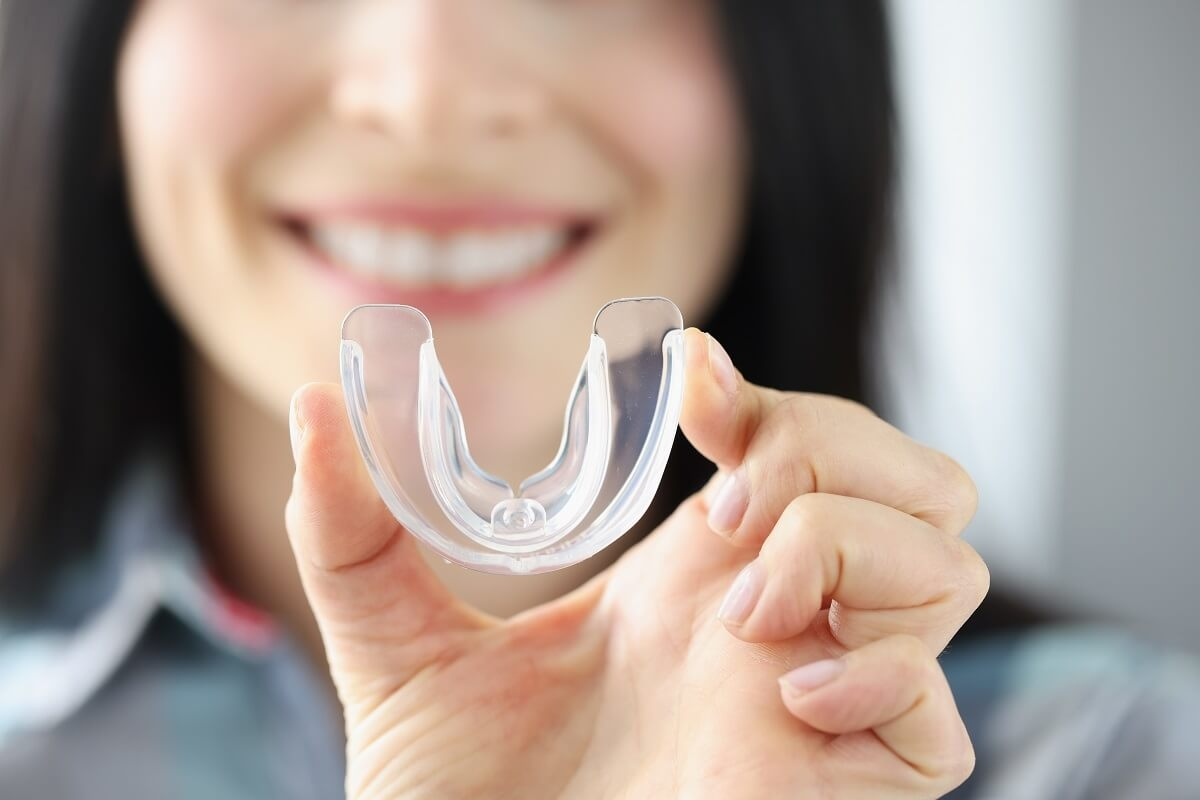
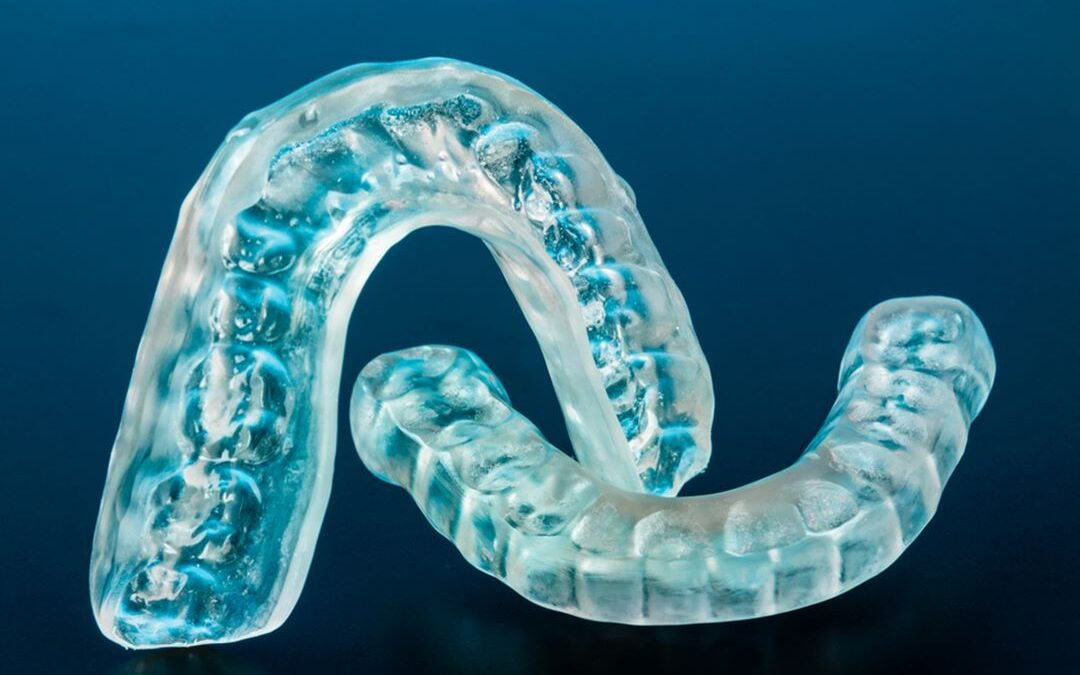
A mouthguard is a custom-fitted dental appliance designed to protect your teeth and jaw from damage. Dentists commonly recommend mouthguards for patients who grind their teeth at night or participate in sports and physical activities. Unlike store-bought options, professionally made mouthguards are designed to fit comfortably and provide adequate protection without interfering with breathing or sleep.

Who Should Consider a Mouthguard?

A mouthguard may be right for you if you:

  • Grind or clench your teeth (bruxism)
  • Wake up with jaw soreness or headaches
  • Have worn, cracked, or sensitive teeth
  • Play contact or high-impact sports
  • Have been diagnosed with TMJ or jaw tension
  • Want to protect dental work like crowns or veneers

Many patients grind their teeth at night without realizing it until damage has already started.

Img2

Benefits of Wearing a Mouthguard

Choosing a mouthguard can help:

  • Protect teeth from chips, cracks, and wear
  • Reduce jaw pain and muscle tension
  • Prevent headaches caused by nighttime clenching
  • Lower the risk of tooth fractures
  • Protect dental restorations
  • Improve sleep quality for some patients

Over time, a mouthguard can help prevent expensive dental treatments by stopping damage before it begins.

Img3

Night Guards vs. Sports Mouthguards

Night Guards

  • Worn during sleep
  • Designed to prevent grinding and clenching
  • Help reduce jaw strain and enamel wear

Sports Mouthguards

  • Worn during physical activity
  • Protect teeth from impact injuries
  • Reduce the risk of broken teeth or jaw injuries

Your dentist can recommend the right type based on your lifestyle and dental health.

Img4

Why Choose a Custom Mouthguard?

While store-bought mouthguards are widely available, they often:

  • Fit poorly
  • Feel bulky or uncomfortable
  • Wear down quickly
  • Provide uneven protection

Custom mouthguards offer:

  • A precise, comfortable fit
  • Better durability
  • Improved protection
  • Easier breathing and speaking

Because they’re made specifically for your mouth, patients are far more likely to wear them consistently.

A mouthguard is a simple but powerful tool for protecting your teeth and jaw. Whether you grind your teeth at night or want to protect your smile during sports, choosing the right mouthguard can help preserve your smile and prevent long-term dental problems.

If you’ve noticed jaw pain, tooth wear, or frequent headaches, or if you want to protect your teeth before damage starts, talk to your dental provider about whether a mouthguard is right for you.

What To Do If You Chip or Break a Tooth

Accidents happen, and occasionally they involve your teeth. Chipped or cracked teeth can be a frightening experience. Being aware of what to do in the initial minutes following a tooth injury can preserve the tooth.

image1

Stay Calm & Act Quickly

A chipped tooth is a dental emergency, but it’s manageable. Acting fast helps prevent further damage or infection.

Step 1: Rinse & Reduce Swelling
  • Rinse your mouth gently with warm water
  • Apply a cold compress to reduce swelling around the area
  • Try to avoid hot or cold drinks if the tooth is sensitive
Step 2: Save Any Broken Pieces If Possible

If part of the tooth has broken off:

  • Pick it up by the crown (top), not the root
  • Place it in a small container with milk, saliva, or saline
  • Bring it with you to your dental appointment; it may be usable

image2

Step 3: Avoid Chewing on That Side
  • Stick to soft foods
  • Try your best to not chew gum, ice, or hard foods
  • Avoid touching the chipped area with your tongue or fingers

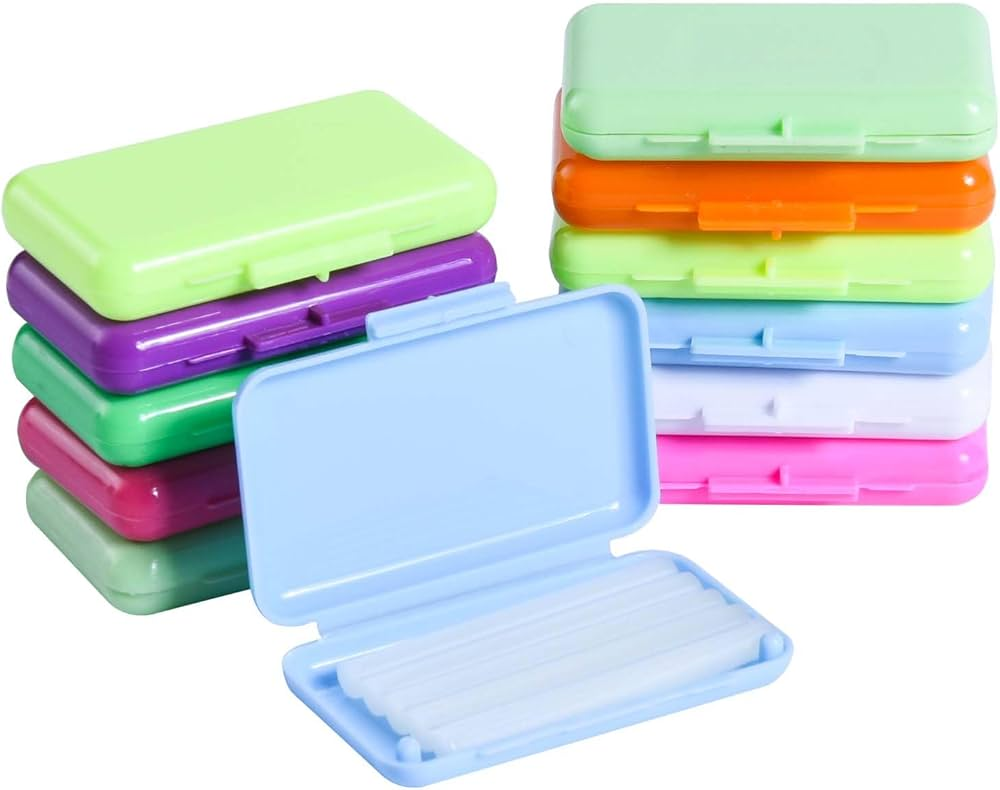
If the tooth is sharp, you can cover the edge with:

  • Sugar-free gum
  • Dental wax, which is often found in drugstores

This protects your tongue and cheeks from cuts.

image4

Step 4: Contact a Dentist Right Away

Chipped or broken teeth do not repair themselves. A dentist can recommend treatment based on the severity of the break.

You may need:

  • A root canal if the nerve is exposed or painful
  • An extraction only if the tooth cannot be saved
  • Bonding or a filling for small chips
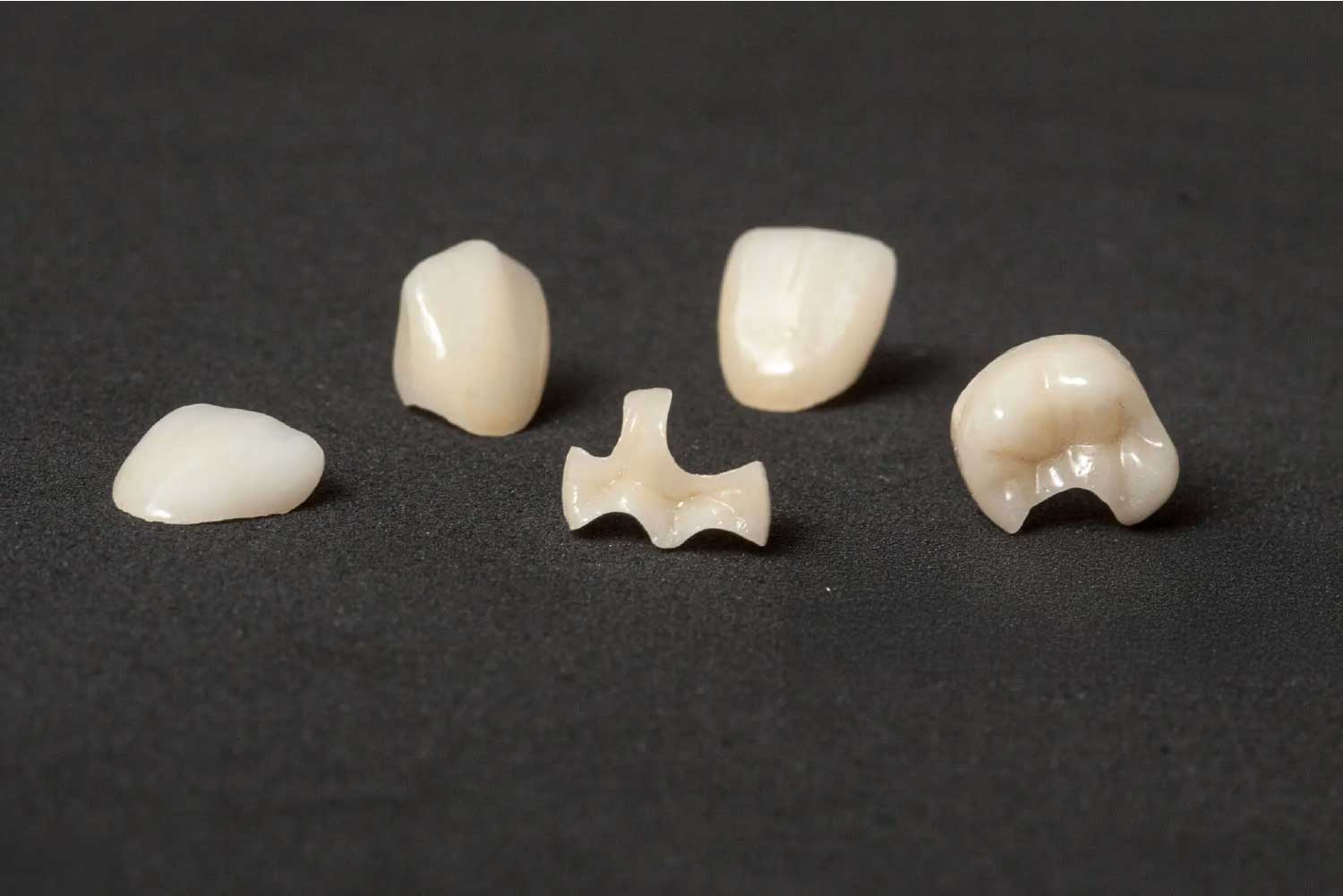
  • A dental crown when a significant portion breaks

image3

When It’s an Emergency

Seek immediate care if you experience:

  • Signs of infection (swelling, heat, bad taste, fever)
  • A knocked-out tooth
  • Severe pain
  • Bleeding that won’t stop
How to Prevent Future Breaks

While not every accident can be avoided, these habits help protect your teeth long term:

  • Wear a sports mouthguard during athletics
  • Avoid crunching on ice, popcorn kernels, & hard candy
  • Don’t use your teeth as tools like opening packages or biting nails
  • Keep up with dental cleanings to detect weakened enamel early
What to Remember

A chipped or broken tooth can feel very overwhelming, but quick action makes all the difference. Make sure to rinse the tooth, protect it, avoid chewing on it, and contact a dental professional as soon as possible. Dental teams help restore your tooth, relieve discomfort, and prevent complications so you can get back to smiling confidently again.

What Is IV Sedation Dentistry?

Experience Comfortable Dental Care with IV Sedation

You are not alone; millions of people deal with dental anxiety every day. For most patients, it’s the #1 reason they avoid getting the care they need. Not anymore. Modern dentistry introduces a powerful solution: IV Sedation. This is a safe and effective method that helps patients feel relaxed and stress-free throughout their dental treatment.

Dental Anxiety

What Is IV Sedation Dentistry?

IV sedation uses a carefully controlled sedative delivered through a small IV line. It creates a deeply relaxed, dream-like state.

Here are some of the benefits of IV sedation:

  • Anxiety fades away
  • You feel calm, safe, and comfortable
  • You remain conscious and able to respond
  • You may remember little or nothing afterward
  • Time passes quickly

Who Benefits Most From IV Sedation?

This form of relaxation dentistry is ideal for patients who identify with the following:

  • Experience moderate to severe dental anxiety
  • Have a fear of needles or drills
  • Avoid the dentist because of past negative experiences
  • Need multiple dental treatments in one visit
  • Have trouble sitting still or get overwhelmed easily
  • Have a strong gag reflex

Benefits of IV Sedation in Modern Dentistry

Deep Relaxation and Comfort

IV sedation creates a calm, tranquil sensation that makes dental treatment feel easier and more manageable. Even patients with severe dental fear report feeling relaxed throughout the appointment.

Customized Sedation Levels

Your sedation level can be adjusted in real time, making IV sedation one of the safest and most controllable forms of dental sedation.

Perfect for Longer Procedures

IV sedation is ideal for treatments such as extractions, dental implants, root canals, and full-mouth restorative work. This allows multiple procedures to be completed in a single visit.

Improved Patient Experience

Patients often describe the experience as peaceful, quiet, and surprisingly easy to manage. Many report remembering very little about the appointment.

Is IV Sedation Dentistry Safe?

Yes, IV sedation is extremely safe when administered by trained dental professionals. During your visit:

  • Your vital signs are monitored constantly
  • The medication is precisely controlled and adjusted
  • Strict safety protocols are followed
  • The sedation team remains with you throughout the entire procedure

Sedation dentistry has helped thousands of patients receive care comfortably, especially those who struggle with dental anxiety, panic, or fear of the dentist.

What to Expect Before, During, and After IV Sedation

Before Your Appointment

  • You’ll meet with your dental provider to review your medical history and determine what procedure(s) you will have done during your IV sedation.
  • You will make all dental decisions prior to IV sedation. If you are having any prosthetic or crown placed under sedation,
    you will select your color, shape, and shade details beforehand.
  • Patients with underlying health conditions or those on medications may require a medical clearance from their primary physician.
  • Once all decisions have been made and clearances received, you’ll be provided with pre-appointment and post-operative instructions.
  • You will need someone to drive you home following your appointment.

During Treatment

  • A small IV line is placed, usually in your arm or hand.
  • You begin to feel relaxed within minutes.
  • Your dental team completes your treatment while you rest comfortably.

After Your Appointment

  • You may feel drowsy for a few hours.
  • You will have little or no memory of the procedure.
  • You can return home and rest while the sedation wears off.
  • You will be provided with post-operative instructions to follow carefully.

Is IV Sedation Right for You?

If you’ve been searching for a calm, comfortable, and anxiety-free dental experience, IV sedation may be the perfect fit. It’s one of the strongest tools available in pain-free dentistry, helping patients receive high-quality dental care without fear or stress. Whether you need a single procedure or a complete smile transformation, IV sedation allows you to relax while your dental team restores your oral health with confidence and care.

Why Oral Hygiene Matters

Healthy Mouth, Healthy Body. Good oral hygiene isn’t just about your smile, it’s about your total health. It begins with cavity prevention and reaches all the way to lowering the risk of heart disease and dementia. Maintaining your teeth and gums clean is one of the most crucial things you can do for your overall health.

Oral Health

What Is Oral Hygiene?

Oral Hygiene means maintaining a clean and healthy mouth. That includes:

  • Brushing your teeth twice to three times a day, for 2 minutes at a time
  • Flossing once or twice a day; while a waterpick is a fantastic tool to use it is still recommended that you use traditional floss or flossers at least once per day. We recommend using each once per day.
  • Using quality toothpaste
  • Use an alcohol free mouthwash or natural oral rinse twice per day
  • Oil pulling once a day in the morning can be another fantastic part of your oral health routine. Oil pulling solution can be swished for 2-10 minutes at a time and then spit into a trash receptacle (do not spit in sink)
  • Routine dental exams and cleanings

Poor oral Hygiene has linkages to:

  • Heart disease and stroke
  • Pneumonia
  • Periodontal disease
  • Tooth and gum loss
  • Oral cancer
  • Gum recession
  • cavities
  • Pregnancy complications like premature birth
  • Diabetes and osteoporosis
  • Dementia: Studies show a connection between gum disease, tooth loss, and increased risk of Alzheimer’s

Signs of Poor Oral Hygiene

If you notice any of the following, it may be time for a dental checkup:

  • Bleeding or swollen gums
  • Dark red gums
  • Darkened, spotted, or Discolored teeth
  • Toothache
  • Loose teeth
  • Bad breath
  • Gum recession
  • Spotted, misshapen, or Discolored tongue
  • Mouth sore
  • Jaw pain or discomfort

How to Take Care of Your Teeth and Gums

Oil Pulling

  • Use a high quality oil pulling solution
  • Swish between teeth and gargle for 2- 10 minutes
  • Never swallow oil pulling solution or spit it in the sink as it can clog your drains.
  • After swishing, spit solution into a wastebasket, and brush your teeth and tongue

Brushing

  • Use a soft-bristle toothbrush and quality toothpaste. Some dentists recommend fluoride based toothpaste, while others recommend toothpaste with neem and/or hydroxyapatite. Consult your doctor to find out what is best recommended for you.
  • Brush your teeth twice – three times daily using small, circular motions. Aim your brush at a 45° angle toward the gum line.
  • Don’t forget to brush your tongue! Lots of bacteria hides there.
  • Make sure to change your toothbrush every 3–4 months and always change your toothbrush after illness.

Flossing

  • Make flossing a habit to clean the plaque hiding between your teeth.
  • Use traditional floss, floss holders, and water flossers.
  • Rinse with water or mouthwash after flossing.

Tongue Scraping

  • Your tongue holds bacteria; brush or scrape it daily.
  • Use a copper or stainless steel tongue scraper and follow with rinsing your mouth with an alcohol free mouthwash or oral rinse

Rinsing

  • Add an alcohol-free mouthwash or oral rinse to your daily routine to fight bacteria and lower plaque buildup.
  • Oral rinses that contain natural essential oils, neem, hydroxyapatite, and/ or peppermint oil are recommended
  • Please note: After dental procedures or extractions, warm salt water or plain warm water can be used in lieu of oral rinse. Please consult your dentist for post-operative instructions

Oral Hygiene Tips for Older Adults

As people age, they often face unique oral health concerns, including dry mouth caused by certain medications, tooth loss, the need for denture maintenance, and reduced dexterity.

Tips:

  • Use an electric toothbrush if hand strength is limited.
  • Consider using floss picks or water flossers if you struggle with traditional flossing.
  • Stay hydrated and avoid alcohol, caffeine, and acidic foods if you experience dry mouth.

Oral Health & Cognitive Decline

Research links untreated gum disease and tooth loss in older adults to a greater risk of dementia. Those who wear dentures, must maintain oral health also. Oral health matters long after your natural teeth are gone.

Bright Smile

Crowns, Bridges & Dental Implants

If you’ve lost teeth, there are great options to restore your smile:

  • Crowns strengthen damaged teeth
  • Bridges fill gaps with fixed replacements
  • Implants are long-term replacements for missing teeth
  • Dentures can be partial or complete for multiple missing teeth

Your dentist can help you decide what’s right for you.

Don’t Ignore Dry Mouth

Dry mouth is more than just discomfiting; it increases your risk of:

  • Cavities
  • Gum disease
  • Oral fungal infections

Tips for relief:

  • Sip water regularly
  • An adult should drink no less than 64 oz of water daily
  • Use mouth tape to keep your mouth closed through the night
  • Avoid smoking, alcohol, and spicy foods
  • Chew sugarless gum
  • Ask your dentist about artificial saliva or saliva stimulants

What Increases Oral Cancer Risk?

  • Tobacco: smoking or chewing
  • Alcohol use
  • Sun exposure: Use lip balm with SPF
  • Poor oral Hygiene

Even if you wear dentures, regular oral cancer screenings are essential, quick, painless, and life-saving.

Oral Hygiene = A Better You

Benefits of a healthy mouth:

  • Fewer cavities and infections
  • Fresher breath
  • Lower risk of heart disease and stroke
  • Better quality of life and confidence
  • Less need for major dental work

When to See Your Dentist

  • Every 6 months for cleanings, more often if you’re prone to gum issues
  • Immediately, if you have bleeding gums, pain, or bad breath
  • If it’s been more than 6 months, schedule now!

Checkup Smile

Ready for a New
Dental Experience?

Schedule A Free Consultation

Contact Us

*Required

Location

9001, 2nd floor, North Main Street,
Dayton, Ohio- 45415.
Map & Directions

Phone: 937.836.7282
Fax: 937.836.7394

No

Insurance ?